
Physical Therapy Services
Start HereFull Body Restoration / Recovery
Diagnostic & Treatment Plan
Before anything else, we want to understand what's actually going on in your body — not just where it hurts, but why.
Your diagnostic and treatment plan is built entirely around you. What you're dealing with, what you want to get back to, and what's been getting in the way. From there, we map out a path forward that makes sense for your life.
Return to Sport
Whether you're a weekend warrior or a competitive athlete, this program is designed to get you back to your sport — not just recovered, but stronger and more resilient than you were before the injury.
And we don't just get you back. We work to make sure you don't end up back here for the same reason.
Injury Prevention & Rehabilitation
The goal isn't just to avoid getting hurt. It's to build a body that's more capable, more adaptable, and harder to knock down.
This program blends targeted rehabilitation with movement training that actually prepares you for real life. It's proactive. It's specific to you. And it tends to change how people think about their bodies altogether.
Acute Injury & Post-Operative Care
When something goes wrong — whether that's a sudden injury or a surgery you've just come through — the care you receive in those early weeks matters a lot.
We move quickly, thoughtfully, and with the full picture in mind. The goal isn't just to get you through the acute phase. It's to set you up for a recovery that holds.
Reconditioning & Balance Training
This one tends to get overlooked — and it probably shouldn't.
Reconditioning and balance training isn't just for people recovering from falls or neurological conditions. It's for anyone whose body has gotten deconditioned, whose stability has drifted, or who wants to move through the world with more confidence and control.
We'll meet you exactly where you are and build from there.
Neurological Rehabilitation
Neurological conditions require a different kind of attention. More patience. More specificity. More willingness to look at the whole picture and adjust as things change.
That's exactly how we approach this work. Every plan is individualized, every phase is intentional, and the goal is always the same — to help you reclaim as much control, mobility, and independence as possible.
Recovery — Manual Therapy & Hands-On Care
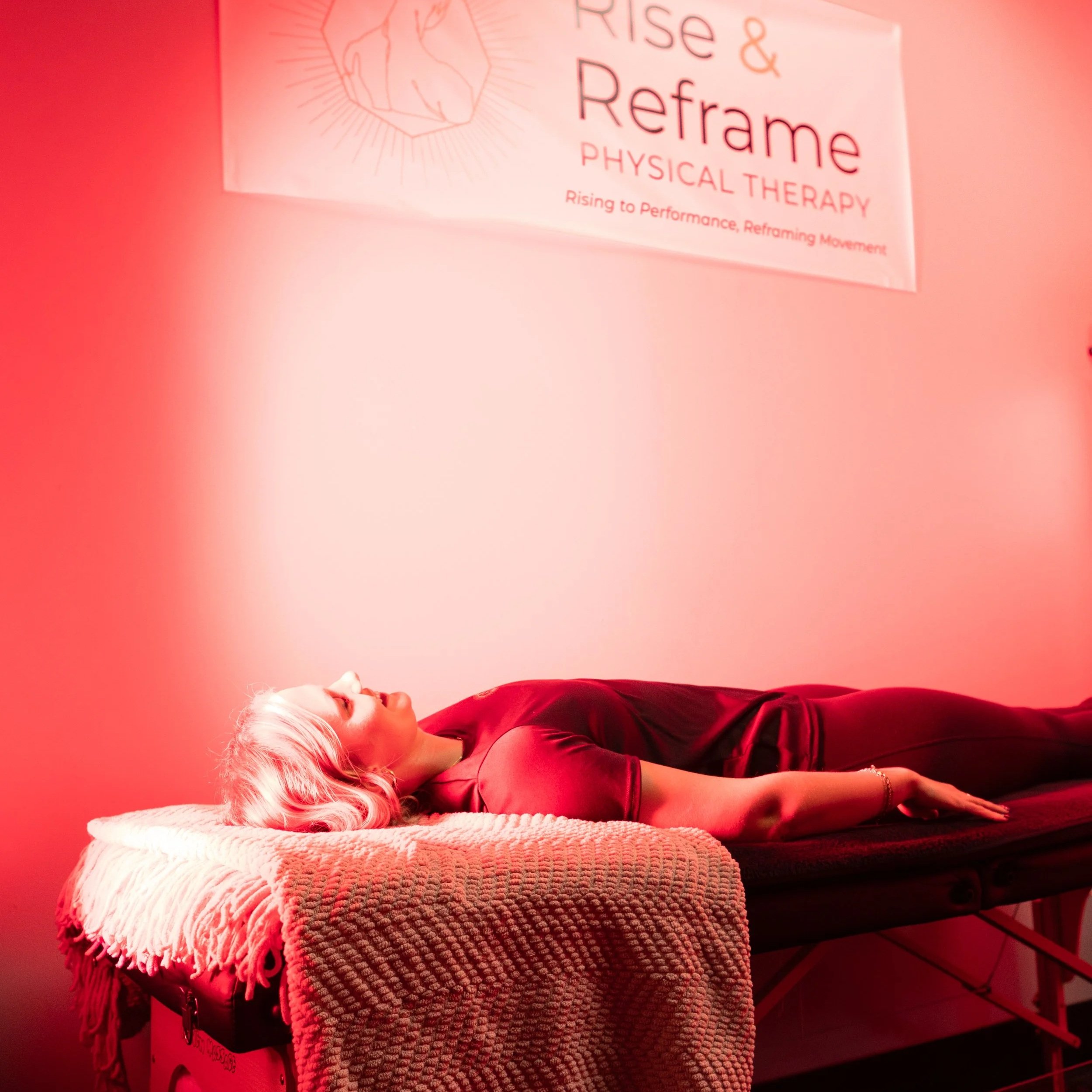
Sometimes the body just needs skilled hands and space to unwind.
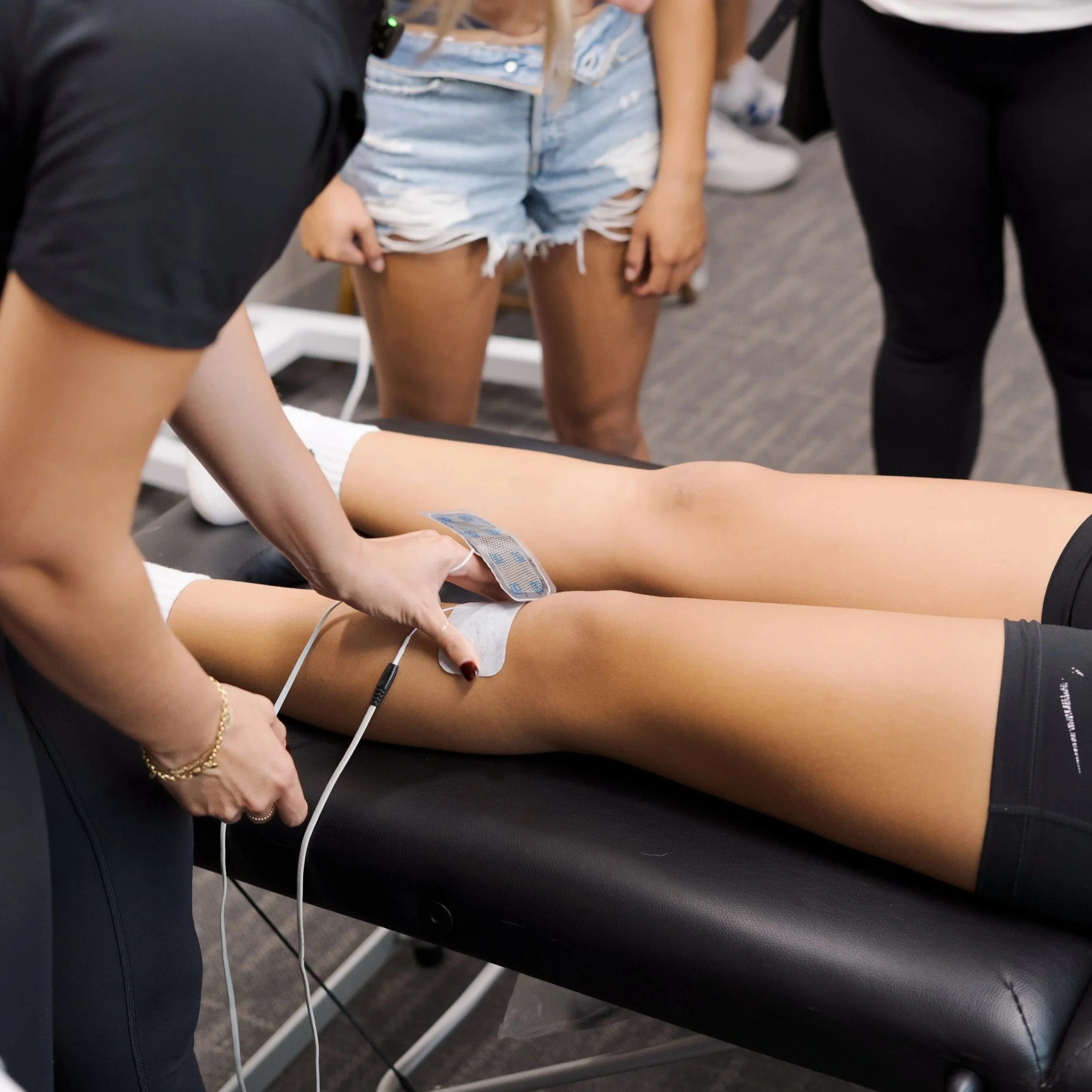
We use a range of hands-on techniques — joint mobilization, myofascial release, soft-tissue massage, cupping, IASTM, and e-stim — depending on what your body actually needs that day. Not a protocol. Not a checklist. Just thoughtful, responsive care that helps you feel and move better.
What We TreatWe believe movement is medicine, and that it belongs at the center of how we take care of ourselves, not as an afterthought. Our goal is simple: help you build genuine confidence in your body and give you the tools to actually maintain it. Not a quick fix. Not something that works until it doesn't. Real, lasting change that fits your life. Because you're capable of more than managing. You're capable of thriving.
* Click the buttons to learn more *
Back pain has a way of starting small.
You tweak something, assume it'll pass, and go about your life. A week goes by. Then a month. Then you realize you've been quietly rearranging your entire day around something that was supposed to be temporary.
That's not weakness. That's just what happens when pain doesn't get the right attention early enough.
There's a particular kind of exhaustion that comes with pain that just won't quit.
Not the kind that comes from a hard workout or a long day. The kind that comes from waking up every morning and immediately taking inventory. How bad is it today? The kind that makes you think twice before saying yes to things you used to do without thinking.
That's what chronic knee and hip pain does. And if you've been living with it for months, or longer, you already know exactly what I mean.
Living with a neurological condition is its own kind of hard.
Not just physically, but in all the quiet ways it reshapes your daily life. The things that used to be automatic that now take effort. The adjustments you and your family have had to make. The uncertainty about what comes next.
If you or someone you love is navigating MS, Parkinson's, a spinal cord injury, or a traumatic brain injury, I want you to know that where you are right now is not the ceiling.
Chronic pain is exhausting in a way that's hard to explain to someone who hasn't lived it.
It's not just the physical discomfort. It's the mental load of managing around it every single day. The things you've stopped doing, or started doing differently, or quietly given up on. The appointments that didn't help. The explanations that didn't quite fit. The slow, creeping fear that this might just be your life now.
It doesn't have to be.
When something happens, your first instinct is usually to wait and see.
Maybe it's not that bad. Maybe it'll feel better in a few days. You've been through bumps before and come out fine. So you rest, ice it, wrap it, and hope.
And sometimes that works. But sometimes a week passes, then two, and you realize you've been quietly accommodating this thing in ways you didn't even notice until your whole routine shifted around it.
That's when waiting stops being a strategy.
The best injury is the one that never happens.
That sounds obvious. But most people don't think about injury prevention until they're already hurt, already frustrated, already searching for a way back to the thing they love. And by that point, the conversation has shifted from prevention to recovery.
We'd rather have it earlier than that.
Whatever Hurts, We've Probably Seen ItWhatever Hurts, We've Probably Seen It
Elbow, ankle, fingers, hips, shoulder, wrist. It doesn't matter where it is. Chances are Dr. BettyLou has worked with something similar and knows exactly where to start.
That's not a boast. It's just the reality of what years of one-on-one, attentive clinical work produces. You see a lot. You learn a lot. And you get better at connecting the dots between what someone is feeling and what's actually going on.
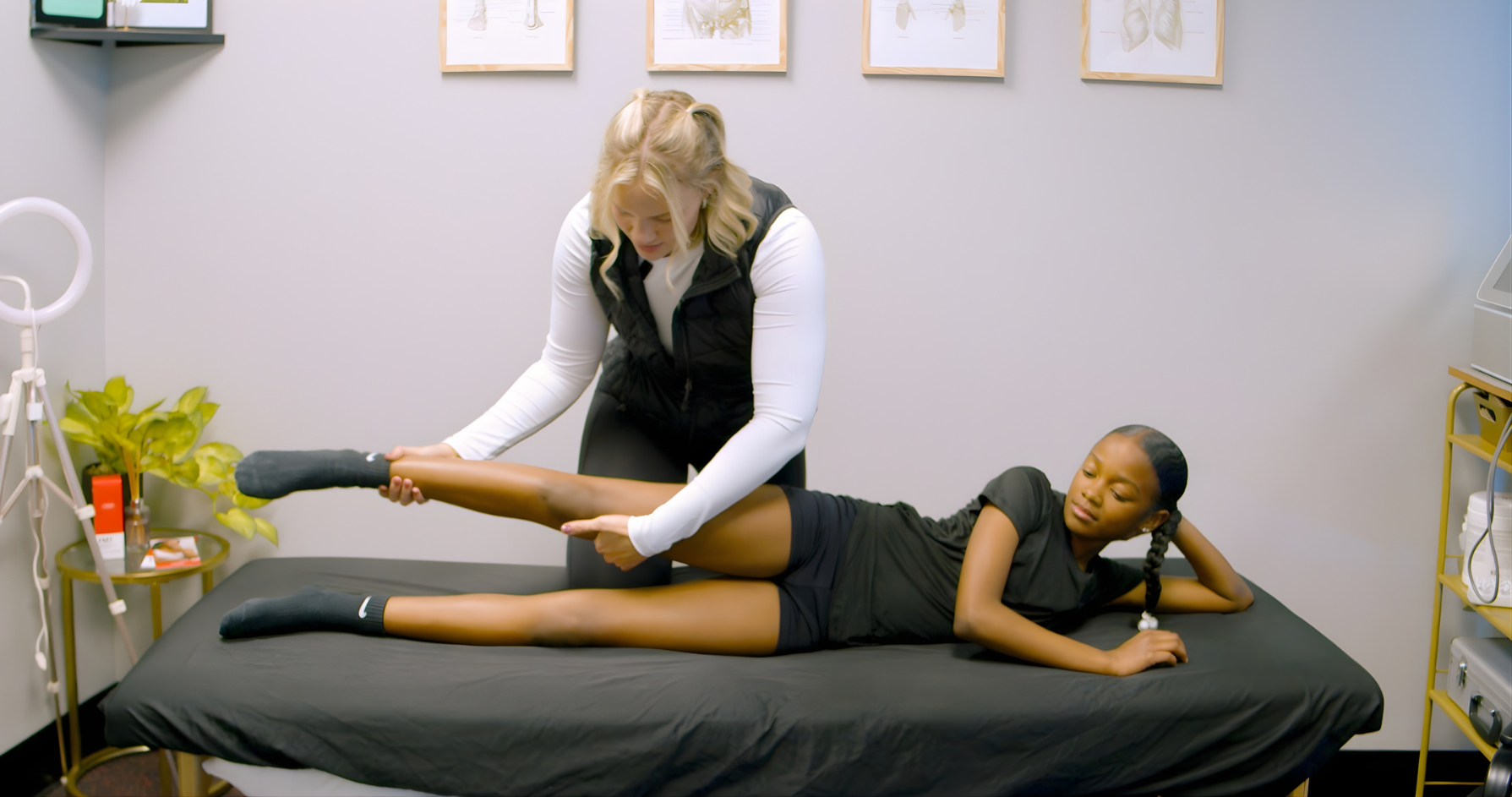
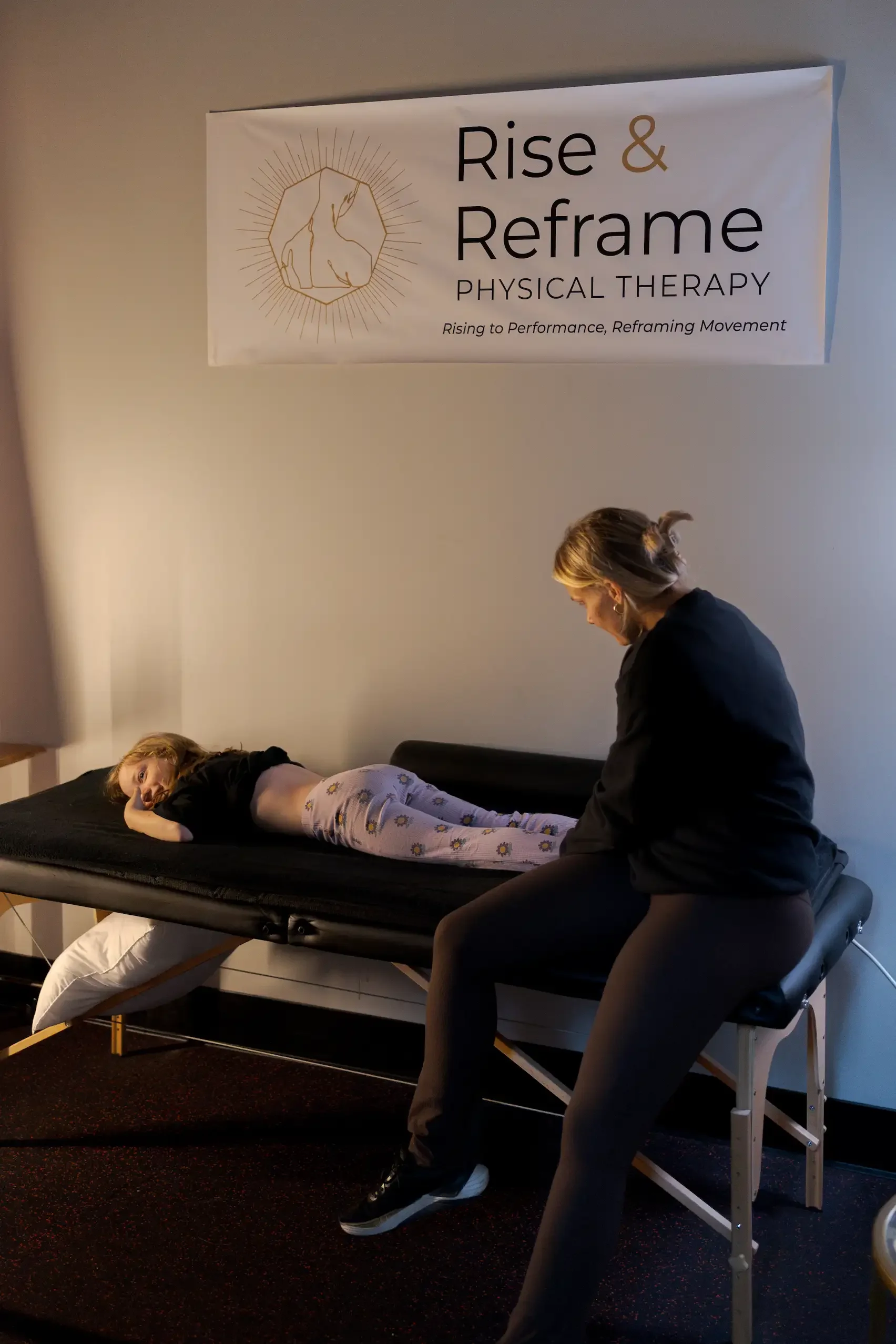
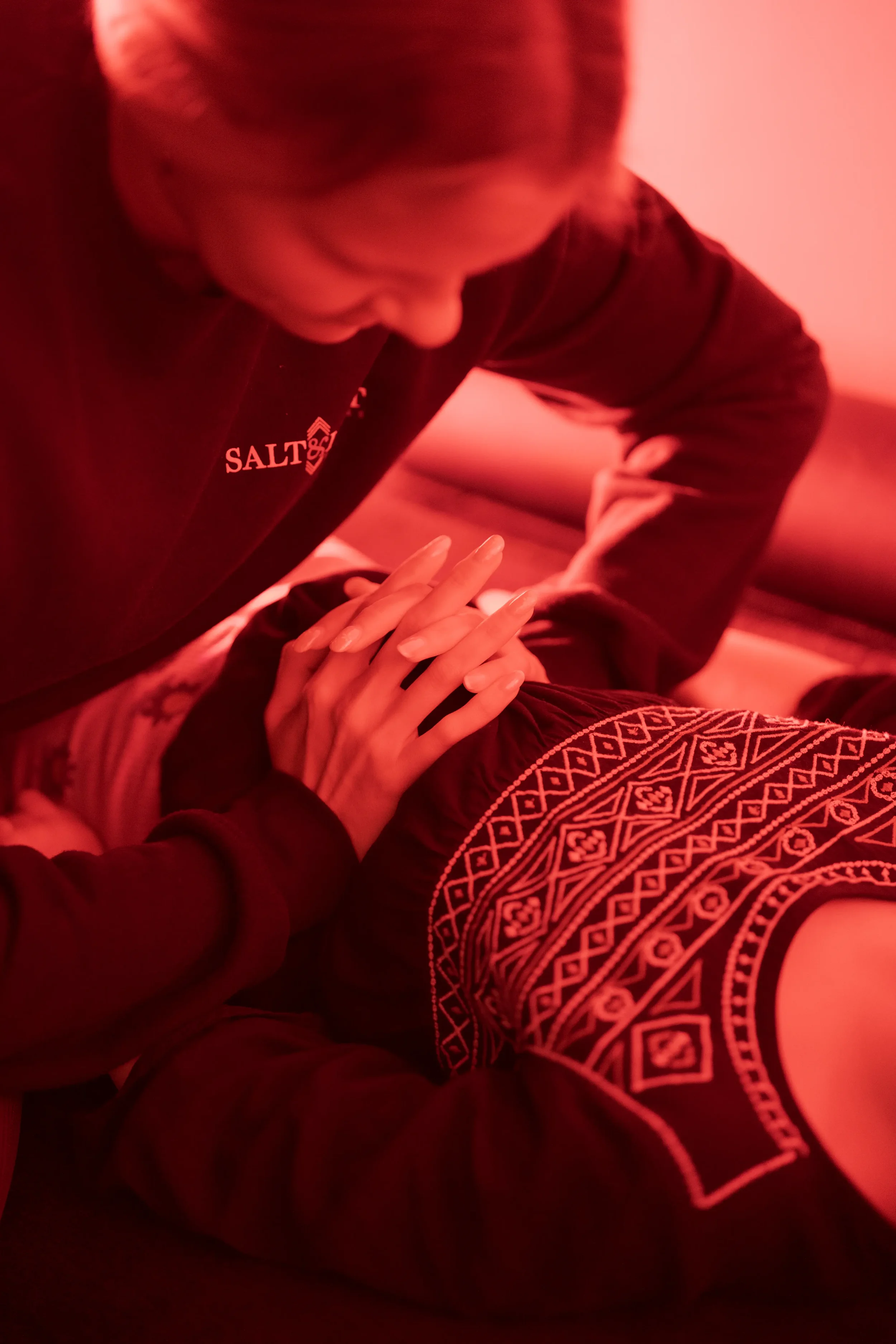
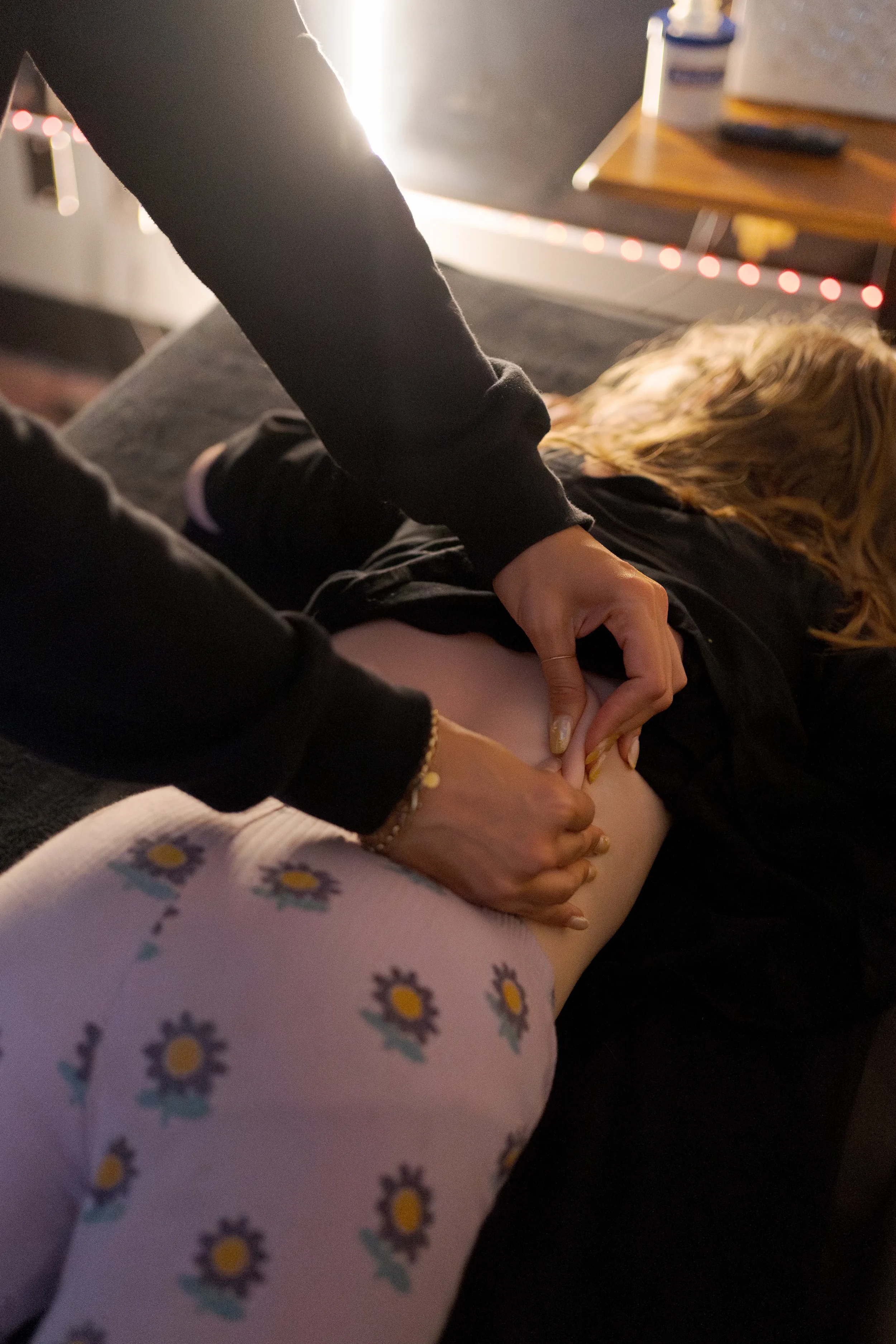
Kids & Teens
Your kid doesn't have to just push through it.
Whether they're a competitive athlete, a dancer, a kid who took a bad fall, or a teenager whose body is sending signals that something isn't right — pain and movement problems in young people deserve the same level of attention as they do in adults. Sometimes more, because what gets addressed now shapes how they move for the rest of their life.
At Rise & Reframe, we work with kids and teens from ages 6 to 18. Same one-on-one care, same whole-body approach, same commitment to actually finding the root cause instead of just managing the symptom.
What we see in young patientsKids and teens come to us with a wide range of things going on. Sports injuries and post-surgical recovery. Chronic pain that their doctor hasn't been able to fully explain. Hypermobility that makes everyday movement uncomfortable or unstable. Neurological conditions that affect how they move through the world. Back, knee, and hip pain that gets brushed off as growing pains. Postural issues that are showing up earlier than they should because of how much time young people spend sitting.
If your child has been told to rest and wait it out, or if they've been seen somewhere else without lasting results, that's worth a second look.
How we work with kidsEvery child is different, and how we show up in a session reflects that.
With younger kids, we keep things engaging and low-pressure. With teens, we treat them like the capable people they are, explaining what we're seeing, why it matters, and what we're working toward. The goal in both cases is the same: help them understand their body, build trust in it, and leave with tools they'll actually use.
Parents are part of the process too. You won't be left in the dark. We'll make sure you understand what's happening and what to watch for at home.